|
|||||||
|
|
|
|
|
|
||
|
This condition is the most severe form of enteritis and is caused by a proliferation of Clostridium spiriforme, which produces an iota-like toxin. This condition is most frequently seen in newly weaned rabbits (3-6 weeks old) where the gastrointestinal microflora are undeveloped and instable and therefore susceptible to invasion / proliferation by Cl. spiriforme. Although adults tend to be more resistant, any stress whether dietary, environmental or emotional can be sufficient too induce dysbiosis and during these periods Cl. spiriforme can invade. Inappropriate use of antibiotics can also contribute to the development of the condition. In acute cases the rabbit becomes anorectic, depressed and has a brown and profuse watery diarrhoea, often tinged with blood. Death usually follows within 24 to 48 hours after first symptoms. In chronic cases there is intermittent diarrhoea, anorexia and weight loss. Enterotoxaemia is difficult to treat so prevention through healthy diet, low stress and avoidance of inappropriate antibiotics.
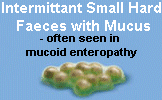
As yet the exact aetiology of mucoid enteropathy (enteropathy = disease of the intestines) is unknown, however many factors are believed to contribute. Although symptoms are typical of enteritis there is little or no inflammation of the gut wall. Instead it is characterised by excessive mucus secretion from the caecal and colonic lumina. A diet high in fibre and low in both simple carbohydrates and starch can prevent occurrence of this condition.
This disease is caused by overgrowth of Clostridium piliforme, and causes necrosis of the mucosa of the proximal colon. In weanling rabbits, signs of the disease are not that dissimilar to enteritis i.e. watery diarrhoea, depression and death, but in adults it can be more chronic resulting in weight loss. Stress and nutrition play important parts in the development of the disease.
The clinical signs of colibacillosis range from mild diarrhoea and weight loss, to severe watery yellow diarrhoea and death. Either exposure to, or overgrowth of E. coli causes this form of enteritis. The bacteria do not release endotoxins, but rather attach themselves to the brush border of the cells in the intestinal and caecal walls, causing inflammation and haemorrhage.
|
Page 18 of 31
1 2 3 4 5 6 7 8 9 10 11 12 13 14 15 16 17 18 19 20 21 22 23 24 25 26 27 28 29 30 31
|
 |
Russel Rabbit Appetite Impairment / Disturbance of Gut Flora |
Russel Rabbit Obstruction |
� Copyright 2000 by Supreme Petfoods Limited.