





 |
| Welcome |
Register | Sign In |
 |

Course Mixes – Pros / Cons | Preventing Selective Feeding | Mono Component Diets – Pros / Cons | Winter Care for Rabbits Product Articles / Information Help and Advice Supreme Petfoods are here to help you with any problems you are having with your small animal. Our dedicated Pet Health & Care Advisor is available to answers any questions on subjects such as feeding your animal, health issues, and behavioural issues. Send any questions you may have to [email protected], or click on the 'contact us' button. Course Mixes Vs Mono Component Diets Overview An alternative to this type of diet is one that is made up of identical pellets or extrusions (biscuits). This type of diet is referred to as a mono-component diet. Mono-component diets and coarse mixes both have their
advantages and disadvantages, however when deciding which type
of diet to feed an animal, the lifestyle and behavioural characteristics
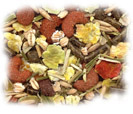
of the animal are the main factors to consider. Course Mixes - Pros / Cons However, when feeding product such as Russel Rabbit,
Gerty Guinea Pig or Charlie Chinchilla, it is essential that all
the ingredients are consumed for the animal to receive a balanced
diet. If the animal is provided too much food, it may be able to
satisfy its hunger by only consuming its favourable ingredients.
This may lead to the animal's nutritional intake suffering.
Preventing Selective Feeding Alternatively, advantage can be taken of other products within the Supreme range such as Science Selective. Mono Component Diets - Pros / Cons Science Selective is a mono component diet, specifically designed to prevent an animal from selectively feeding. Science Selective is a complete diet created from premium ingredients and manufactured into highly palatable extrusions. Due to all the extrusions being of identical nutritional composition and similar shape and size the ability for the animal to selectively feed is eliminated. It could be argued that providing a naturally foraging
animal with a mono component diet is reducing its ability to perform
natural behaviour. However, if the animal persistently selectively
feeds, in order to ensure good nutrition and to promote efficient
gut function and dental wear, taking away the animals opportunity
of being fed a course mix is the best option for animal and owner.
To Summarise: Special Feature - Winter Care for Rabbits Q. Can you provide me with any advice on how to look after my rabbits during the winter months? A. There is often the temptation to 'mollycoddle' rabbits during winter, but this is not entirely necessary - rabbits are hardy creatures and are well adapted for extremes of cold. They have a coat with high insulation properties, and have fur pads on the bottom of their feet to protect them from the cold. This helps the rabbit to minimise heat loss in winter and also to reduce overheating in summer. Like many other mammals, rabbits will also reduce blood supply to the surface of the skin (and thereby heat loss) in colder weather, especially at the extremities e.g. ears and nose where they are poorly insulated with fur. Weather changes and moulting Nutrition When in the run rabbits will eat grass, herbs & wild plants to supplement their diet during the summer. Most of these die off over the winter and are hence no longer available. Whilst grass does not die off, its growth is retarded. Where the rabbit would consume a lot of grass, they will rely on a rabbit mix, hay, and dried grass and hence it will rely more heavily on its water bottle. It is therefore vital to ensure water bottles are changed and filled regularly, and defrosted in winter, otherwise dehydration can cause health problems. Housing and location Although not always necessary there is often the tendency to bring the hutch indoors and place in a garage, porch or shed. This is acceptable as long as there are no car fumes, and that the windows provide sufficient ventilation and light. In sheds with windows remember that temperatures can still soar on sunny days - potentially causing heat exhaustion, so leave the door or window open. Disease and Hygiene It is important to keep the rabbit hutch clean at all times, and certainly shouldn't be neglected in the winter months. Whilst the tendency is often to leave the cage longer between cleanings the rabbits may be spending more time in their hutches than they would in summer. In this case the toilet corner will build up quicker, and unless the cage is well ventilated, ammonia can build up - this can irritate the rabbit's eyes causing them to weep, and may cause respiratory problems. Rabbits are prone to respiratory disorders - they naturally harbour pasteurella, but only tend to develop the disease, snuffles, when stressed (ammonia levels, draughts, high temperatures and damp bedding). Damp, soiled bedding can also cause sore hocks, and harbours germs in ideal conditions for multiplication. The rabbit can easily pick these up and may lead to other problems e.g. diarrhoea. Hutch cleaning should be as frequent as in the summer regardless of the weather. Exercise and companionship Whilst it is easy to fulfil housing and nutritional needs, a concerted effort should be made to fulfil the rabbit's physical and social requirements as well. This can be a bit more demanding, but none-the-less, equally important. Try to set aside an hour a day when returning form school or work. As long as it is not raining heavily, let them out in the garden or bring them inside. They benefit from the exercise, and companionship. If the weather is a little windy or cold then they will put themselves back in their hutches. Autumn and winter can become a lonely time for your pets if you do not think about them and provide all the love and care that they need throughout this period.
|