To be able to make a decision whether or not your guinea pig is healthy, you need to know what is normal for them. Like children, behavior in guinea pigs can be inherited or learned. Some behavior is instinctive, such as nursing from their mother as soon as they are born. The rest of a guinea pigs behavior is learned from observing their parents and other guinea pigs and after time then becomes instinctive. Animals continually learn throughout their lives. They rely heavily on sight, sound and smell. The functions of behavior are to eat, to avoid being eaten, and to reproduce.
NORMAL BEHAVIOR
In guinea pigs, alertness is their first line of defence; they will spend the majority of the day looking out for predators and dangers. Guinea pigs rely heavily on smell and constantly sniff the air looking for an indication of who or what is around them and whether they are friend or foe.
Guinea Pig noises
Guinea pigs are very vocal and much of their language can be easily translated:
Grunts, murmurs and gurgles - contact, contentment, comfort and joy
Squeals and squeaks - begging for food from humans; warning, fear, pain
Cooing - comfort and reassurance
Rattles, hissing, chattering teeth - aggression, threat, warning
Growls, grunts and rattling - male arousal sounds
Body Language
Touching noses and nudging - recognition by smell and initiating contact
Rising with stiffened knees - feels threatened
Head at right angle - strength, dominance over another
Exposed teeth, mouth open - female warning sign to a male
Stretching - relaxation and comfort
Leaping and jumping - enjoyment, energy and play
Lying motionless on back - defence, fear response (freeze)
Standing on hind legs - reaching for food, sniffing, inquisitive
Head stretched forward - watchful, lookout
Legs drawn in, against wall - fearful and threatened, for protection
HEALTH CARE
If you provide the correct care, diet, environment, exercise and attention to your guinea pig it will normally stay fit and healthy, and will be bright, alert and eating and drinking normally. Younger and older pets are often more susceptible to illness due to lowered resistance. Handling and grooming your pet every day gives you the opportunity to examine him for signs that may indicate illness. Guinea pigs are especially prone to mites, so always check their skin for signs of irritation and scratching.
Any change in normal behavior may indicate an underlying problem. Watch out for:
NORMAL BEHAVIOR
In guinea pigs, alertness is their first line of defence; they will spend the majority of the day looking out for predators and dangers. Guinea pigs rely heavily on smell and constantly sniff the air looking for an indication of who or what is around them and whether they are friend or foe.
Guinea Pig noises
Guinea pigs are very vocal and much of their language can be easily translated:
Grunts, murmurs and gurgles - contact, contentment, comfort and joy
Squeals and squeaks - begging for food from humans; warning, fear, pain
Cooing - comfort and reassurance
Rattles, hissing, chattering teeth - aggression, threat, warning
Growls, grunts and rattling - male arousal sounds
Body Language
Touching noses and nudging - recognition by smell and initiating contact
Rising with stiffened knees - feels threatened
Head at right angle - strength, dominance over another
Exposed teeth, mouth open - female warning sign to a male
Stretching - relaxation and comfort
Leaping and jumping - enjoyment, energy and play
Lying motionless on back - defence, fear response (freeze)
Standing on hind legs - reaching for food, sniffing, inquisitive
Head stretched forward - watchful, lookout
Legs drawn in, against wall - fearful and threatened, for protection
HEALTH CARE
If you provide the correct care, diet, environment, exercise and attention to your guinea pig it will normally stay fit and healthy, and will be bright, alert and eating and drinking normally. Younger and older pets are often more susceptible to illness due to lowered resistance. Handling and grooming your pet every day gives you the opportunity to examine him for signs that may indicate illness. Guinea pigs are especially prone to mites, so always check their skin for signs of irritation and scratching.
Any change in normal behavior may indicate an underlying problem. Watch out for:
- eating or drinking less than normal
- restless or lethargic or a crouched, huddled appearance
- coat that looks dull or is soiled or itchy
- discharge from the eyes, ears or nose
- soiling around the vent with urine or droppings
- droppings abnormal in color or texture
- more or less urine being produced or unusual in color
- offensive odor from the ears, mouth or vent
- loud teeth grinding
- difficulty in eating, drinking or moving
- difficulty in breathing or raspy noises from the chest
Common illnesses
Guinea pigs are generally hardy animals, but there are some ailments that are not uncommon.
Dental problems as all rodents, guinea pigs teeth continue to grow throughout their life. Should your guinea pig be injured and a tooth become misaligned, the opposite tooth will grow as it has nothing opposing it on which to grind. Guinea pigs require a high fiber diet to ensure the teeth are evenly worn and to prevent overgrowth. Overgrown teeth can cause a number of problems including abscesses, inability to eat and, in extreme cases, can grow back into the guinea pigs face.
The best way to avoid this is to ensure that your pet always has something suitable to gnaw on. In the event that you suspect a dental problem it is best to contact your vet. When the teeth become overgrown they may need to be clipped. Your vet will be able to do this for you. Trimming of teeth is not painful for the guinea pig, although it can be frightening and they tend to wriggle a lot! Do not attempt to do this yourself. It is very easy to spit or break a tooth and that can lead to much more serious problems like mouth abscesses. Indication of dental problems may be saliva around the mouth or on the chest or front paws, an inability to eat or teeth grinding. Seek veterinary advice if you are at all concerned.
Mouth Scabs
Guinea pigs can cut their lips and mouths on sharp food and, if germs enter the cut, it may cause a sore. Generally these are nothing to worry about, but you may wish to talk to you vet to obtain some cream to help the sore heal faster.
Eye Injuries
Sometimes guinea pigs can be poked in the eye by stalks of hay or grass and this may cause the eye to go opaque. Normally this will clear on its own, but a trip to the vet may be called for to ensure there is nothing else in the eye causing irritation or infection.
Abscesses
Abscesses can be caused during knocks or fights, or even by food that is sharp and has scratched the guinea pig. You will be able to feel a hard lump. It is best to move the guinea pig into an area of its own and take him to the vet so the abscess can be treated.
Skin Complaints
Guinea pigs seems to be prone to skin conditions. Perhaps the most common is mange. Mange is caused by a little mite which burrows into the skin surface. You will notice little raised spots on the skin that can become scurfy. Your guinea pig will scratch these itchy areas which will develop scabs and cause its hair to fall out. It is important that you take your guinea pig to the vet for treatment.
Flystrike flies are attracted to guinea pig droppings, either in the hutch or around the rear end of the guinea pig. Fly eggs will hatch into maggots and will initially feed on the droppings and will then burrow into the guinea pig and eat its flesh. This will result in discomfort, pain and, often, death. Avoid flystrike by removing droppings regularly from the hutch, grooming your guinea pig daily and ensuring good ventilation to the hutch as this will prevent flies from becoming attracted and then trapped in the hutch. Use a guinea pig approved disinfectant spray in the hutch and on bedding to deter flies and eliminate bacteria. Seek veterinary attention immediately if you suspect flystrike.
Dangerous Plants
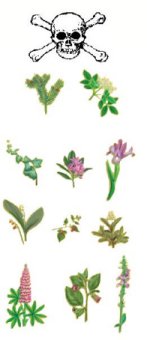
Feeding plants to your guinea pig can add variety and interest to its diet as plants provide essential nutrients such as vitamins and minerals. However, some plants can be very harmful to guinea pigs if eaten, causing illness, distress, discomfort and, possibly, death. The following are just a few examples of plants that are harmful to your guinea pig. Ensure that they are not fed to them and that your guinea pig cannot come into contact with them:
Ivy
Elder
Iris
Woody Nightshade
Holly
Buttercups
Foxglove
Clematis
Guinea pigs are generally hardy animals, but there are some ailments that are not uncommon.
Dental problems as all rodents, guinea pigs teeth continue to grow throughout their life. Should your guinea pig be injured and a tooth become misaligned, the opposite tooth will grow as it has nothing opposing it on which to grind. Guinea pigs require a high fiber diet to ensure the teeth are evenly worn and to prevent overgrowth. Overgrown teeth can cause a number of problems including abscesses, inability to eat and, in extreme cases, can grow back into the guinea pigs face.
The best way to avoid this is to ensure that your pet always has something suitable to gnaw on. In the event that you suspect a dental problem it is best to contact your vet. When the teeth become overgrown they may need to be clipped. Your vet will be able to do this for you. Trimming of teeth is not painful for the guinea pig, although it can be frightening and they tend to wriggle a lot! Do not attempt to do this yourself. It is very easy to spit or break a tooth and that can lead to much more serious problems like mouth abscesses. Indication of dental problems may be saliva around the mouth or on the chest or front paws, an inability to eat or teeth grinding. Seek veterinary advice if you are at all concerned.
Mouth Scabs
Guinea pigs can cut their lips and mouths on sharp food and, if germs enter the cut, it may cause a sore. Generally these are nothing to worry about, but you may wish to talk to you vet to obtain some cream to help the sore heal faster.
Eye Injuries
Sometimes guinea pigs can be poked in the eye by stalks of hay or grass and this may cause the eye to go opaque. Normally this will clear on its own, but a trip to the vet may be called for to ensure there is nothing else in the eye causing irritation or infection.
Abscesses
Abscesses can be caused during knocks or fights, or even by food that is sharp and has scratched the guinea pig. You will be able to feel a hard lump. It is best to move the guinea pig into an area of its own and take him to the vet so the abscess can be treated.
Skin Complaints
Guinea pigs seems to be prone to skin conditions. Perhaps the most common is mange. Mange is caused by a little mite which burrows into the skin surface. You will notice little raised spots on the skin that can become scurfy. Your guinea pig will scratch these itchy areas which will develop scabs and cause its hair to fall out. It is important that you take your guinea pig to the vet for treatment.
Flystrike flies are attracted to guinea pig droppings, either in the hutch or around the rear end of the guinea pig. Fly eggs will hatch into maggots and will initially feed on the droppings and will then burrow into the guinea pig and eat its flesh. This will result in discomfort, pain and, often, death. Avoid flystrike by removing droppings regularly from the hutch, grooming your guinea pig daily and ensuring good ventilation to the hutch as this will prevent flies from becoming attracted and then trapped in the hutch. Use a guinea pig approved disinfectant spray in the hutch and on bedding to deter flies and eliminate bacteria. Seek veterinary attention immediately if you suspect flystrike.
Dangerous Plants
Feeding plants to your guinea pig can add variety and interest to its diet as plants provide essential nutrients such as vitamins and minerals. However, some plants can be very harmful to guinea pigs if eaten, causing illness, distress, discomfort and, possibly, death. The following are just a few examples of plants that are harmful to your guinea pig. Ensure that they are not fed to them and that your guinea pig cannot come into contact with them:
Ivy
Elder
Iris
Woody Nightshade
Holly
Buttercups
Foxglove
Clematis