To be able to make a decision whether or not your rabbit is healthy, you need to know what is normal for them. Like children, behavior in rabbits can be inherited or learned. Some behavior is instinctive, such as suckling their mother as soon as they are born. The rest of a rabbits behavior is learned from parents and by observation, and then becomes instinctive. Animals continually learn throughout their lives. They rely heavily on sight, sound and smell. Verbal signals are avoided as they could result in detection by a predator. The functions of behavior are to eat, to avoid being eaten, and to reproduce.
NORMAL BEHAVIOR
In rabbits, alertness is their first line of defence; they will spend the majority of the day looking out for predators and dangers. Rabbits rely heavily on smell and constantly sniff the air looking for an indication of who or what is around them and whether they are friend or foe.
Rabbit noises
Rabbits are not very vocal but have a range of sounds indicating different feelings:
Thumping of the back feet this noise is associated with fear and is a way of warning others of dangers in the area. Dominant rabbits will also thump in order to gain attention.
Hissing, growling or muttering usually indicates aggression and precedes an attack. It indicates the rabbit feels threatened or is behaving territorially.
Teeth grinding soft grinding or cooing means your rabbit is happy (and often accompanies being tickled or stroked). Loud grinding is a sign of intense pain as is loud squealing it may also indicate danger.
HEALTH CARE
If you provide the correct care, diet, environment, exercise and attention to your rabbit it will normally stay fit and healthy, and will be bright, alert and eating and drinking normally.
Any change in normal behavior may indicate an underlying problem. Watch out for:
NORMAL BEHAVIOR
In rabbits, alertness is their first line of defence; they will spend the majority of the day looking out for predators and dangers. Rabbits rely heavily on smell and constantly sniff the air looking for an indication of who or what is around them and whether they are friend or foe.
Rabbit noises
Rabbits are not very vocal but have a range of sounds indicating different feelings:
Thumping of the back feet this noise is associated with fear and is a way of warning others of dangers in the area. Dominant rabbits will also thump in order to gain attention.
Hissing, growling or muttering usually indicates aggression and precedes an attack. It indicates the rabbit feels threatened or is behaving territorially.
Teeth grinding soft grinding or cooing means your rabbit is happy (and often accompanies being tickled or stroked). Loud grinding is a sign of intense pain as is loud squealing it may also indicate danger.
HEALTH CARE
If you provide the correct care, diet, environment, exercise and attention to your rabbit it will normally stay fit and healthy, and will be bright, alert and eating and drinking normally.
Any change in normal behavior may indicate an underlying problem. Watch out for:
- eating or drinking less than normal
- restless or lethargic or a crouched, huddled appearance
- coat that looks dull or is soiled or itchy
- discharge from the eyes, ears or nose
- soiling around the vent with urine or feces
- feces abnormal in color or texture
- more or less urine being produced or unusual in color
- offensive odor from the ears, mouth or vent
- loud teeth grinding
- difficulty in eating, drinking or moving difficulty in breathing or raspy noises from the chest
Common illnesses
Rabbits suffer from numerous conditions and illnesses and it is important to detect signs of these at an early stage. Getting to know your pet is the most essential aspect in helping you to recognize these. Some of the most common ailments are:
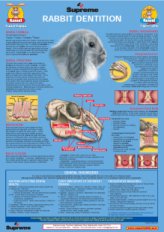
Dental problems rabbits teeth continue to grow throughout their life, at a rate of 2mm-3mm per week. Rabbits require a high fiber diet to ensure the teeth are evenly worn and to prevent overgrowth. If the teeth are not worn down, they grow incorrectly leading to discomfort, abscesses, anorexia, etc. Their teeth may require burring by the vet to correct the problem. Indication of dental problems may be saliva around the mouth or on the chest or front paws, an inability to eat or teeth grinding. Seek veterinary advice if you are at all concerned.
Flystrike flies are attracted to rabbit droppings, either in the hutch or around the rear end of the rabbit. Fly eggs will hatch into maggots and will initially feed on the droppings and will then burrow into the rabbit and eat its flesh. This will result in discomfort, pain and, often, death. Avoid flystrike by removing droppings regularly from the hutch, grooming your rabbit daily and ensuring good ventilation to the hutch as this will prevent flies becoming attracted and then trapped in the hutch. Spray the hutch with a rabbit safe disinfectant/deodorant to deter flies and eliminate bacteria. Seek veterinary attention immediately if you suspect flystrike.
Snuffles/Pasturella this is a condition caused by bacteria and can be brought on due to stress (such as high temperature, drafts, damp bedding etc.) The animal will develop cold-like symptoms, with a runny nose, breathing difficulties and discharge from the eyes. Snuffles can lead to more serious problems, such a pneumonia, head tilt and tooth root abscesses. Keep your hutch well ventilated and in a fairly constant temperature (around 68 to 78F). Avoid leaving damp bedding in the hutch. Seek veterinary advice if you suspect there is something wrong.
Parasites rabbits are prone to a number of internal and external parasites, including fleas, fur mites, worms and coccidiosis. Pet rabbits should be kept free of all parasites to keep them in optimum health. Signs of parasites are numerous; from loss of coat condition and lethargic behavior, to diarrhea or sore skin, depending upon the type and place of the infection. Seek veterinary advice for diagnosis and treatment.
Gastro-intestinal disorders these can be caused by such things as inappropriate diet, stress, the presence of parasites, etc. Your rabbit will have a digestive upset and will exhibit symptoms such as bloat, constipation or diarrhea, or a combination of these. It is extremely important that rabbits are treated quickly during this period to prevent dehydration or the condition worsening, as they can deteriorate very quickly. Seek veterinary advice if your rabbit shows any signs of these disorders.
Myxomatosis this is a disease transmitted by fleas, mosquitos or from contact with other infected rabbits or objects. Symptoms are usually swollen eyelids and thick discharge from the eyes and nose. The rabbit will become very subdued and stop eating. This condition is usually fatal. Take your rabbit to the vet immediately if he shows any of these symptoms, and isolate it from any other rabbits. Also regular pest control and a clean hutch and run can help avoid spread of the virus.
Dangerous Plants
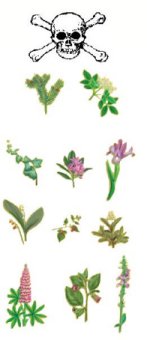
Feeding plants to your rabbit can add variety and interest to its diet as plants provide essential nutrients such as vitamins and minerals. However, some plants can be very harmful to rabbits if eaten, causing illness, distress, discomfort and, possibly, death. The following are examples of plants that are harmful to your rabbit. Ensure that they are not fed to them and that your rabbit cannot come into contact with them:
Ivy
Elder
Iris
Woody Nightshade
Holly
Buttercups
Foxglove
Clematis
Eating poisonous plants can affect your rabbit in many ways. Symptoms can include skin allergies, breathing difficulties and stomach upsets. If you are unsure whether or not a plant is poisonous, do not let your rabbit eat it! If you suspect that your rabbit has been poisoned, take him to your vet immediately.
Rabbits suffer from numerous conditions and illnesses and it is important to detect signs of these at an early stage. Getting to know your pet is the most essential aspect in helping you to recognize these. Some of the most common ailments are:
Dental problems rabbits teeth continue to grow throughout their life, at a rate of 2mm-3mm per week. Rabbits require a high fiber diet to ensure the teeth are evenly worn and to prevent overgrowth. If the teeth are not worn down, they grow incorrectly leading to discomfort, abscesses, anorexia, etc. Their teeth may require burring by the vet to correct the problem. Indication of dental problems may be saliva around the mouth or on the chest or front paws, an inability to eat or teeth grinding. Seek veterinary advice if you are at all concerned.
Flystrike flies are attracted to rabbit droppings, either in the hutch or around the rear end of the rabbit. Fly eggs will hatch into maggots and will initially feed on the droppings and will then burrow into the rabbit and eat its flesh. This will result in discomfort, pain and, often, death. Avoid flystrike by removing droppings regularly from the hutch, grooming your rabbit daily and ensuring good ventilation to the hutch as this will prevent flies becoming attracted and then trapped in the hutch. Spray the hutch with a rabbit safe disinfectant/deodorant to deter flies and eliminate bacteria. Seek veterinary attention immediately if you suspect flystrike.
Snuffles/Pasturella this is a condition caused by bacteria and can be brought on due to stress (such as high temperature, drafts, damp bedding etc.) The animal will develop cold-like symptoms, with a runny nose, breathing difficulties and discharge from the eyes. Snuffles can lead to more serious problems, such a pneumonia, head tilt and tooth root abscesses. Keep your hutch well ventilated and in a fairly constant temperature (around 68 to 78F). Avoid leaving damp bedding in the hutch. Seek veterinary advice if you suspect there is something wrong.
Parasites rabbits are prone to a number of internal and external parasites, including fleas, fur mites, worms and coccidiosis. Pet rabbits should be kept free of all parasites to keep them in optimum health. Signs of parasites are numerous; from loss of coat condition and lethargic behavior, to diarrhea or sore skin, depending upon the type and place of the infection. Seek veterinary advice for diagnosis and treatment.
Gastro-intestinal disorders these can be caused by such things as inappropriate diet, stress, the presence of parasites, etc. Your rabbit will have a digestive upset and will exhibit symptoms such as bloat, constipation or diarrhea, or a combination of these. It is extremely important that rabbits are treated quickly during this period to prevent dehydration or the condition worsening, as they can deteriorate very quickly. Seek veterinary advice if your rabbit shows any signs of these disorders.
Myxomatosis this is a disease transmitted by fleas, mosquitos or from contact with other infected rabbits or objects. Symptoms are usually swollen eyelids and thick discharge from the eyes and nose. The rabbit will become very subdued and stop eating. This condition is usually fatal. Take your rabbit to the vet immediately if he shows any of these symptoms, and isolate it from any other rabbits. Also regular pest control and a clean hutch and run can help avoid spread of the virus.
Dangerous Plants
Feeding plants to your rabbit can add variety and interest to its diet as plants provide essential nutrients such as vitamins and minerals. However, some plants can be very harmful to rabbits if eaten, causing illness, distress, discomfort and, possibly, death. The following are examples of plants that are harmful to your rabbit. Ensure that they are not fed to them and that your rabbit cannot come into contact with them:
Ivy
Elder
Iris
Woody Nightshade
Holly
Buttercups
Foxglove
Clematis
Eating poisonous plants can affect your rabbit in many ways. Symptoms can include skin allergies, breathing difficulties and stomach upsets. If you are unsure whether or not a plant is poisonous, do not let your rabbit eat it! If you suspect that your rabbit has been poisoned, take him to your vet immediately.